Which Tarot card are you?
Eight figures from the major arcana, eight ways of moving through a life. Ten questions, one read on which card is currently sitting at the top of your deck — and what that means about the chapter you're in.
No sign-up needed · Share your archetype with friends
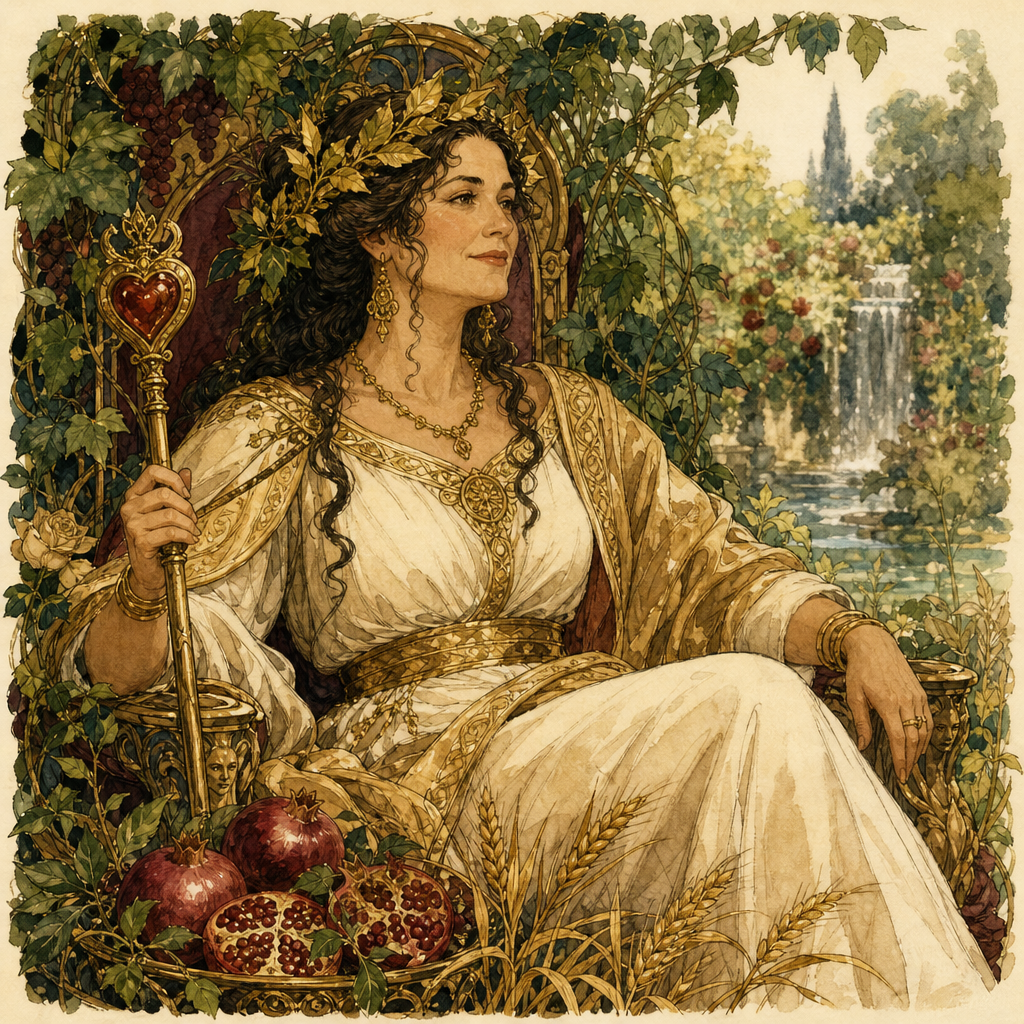
The cultivator. Grows what she touches — gardens, friendships, projects, kids. Generative as a default state.
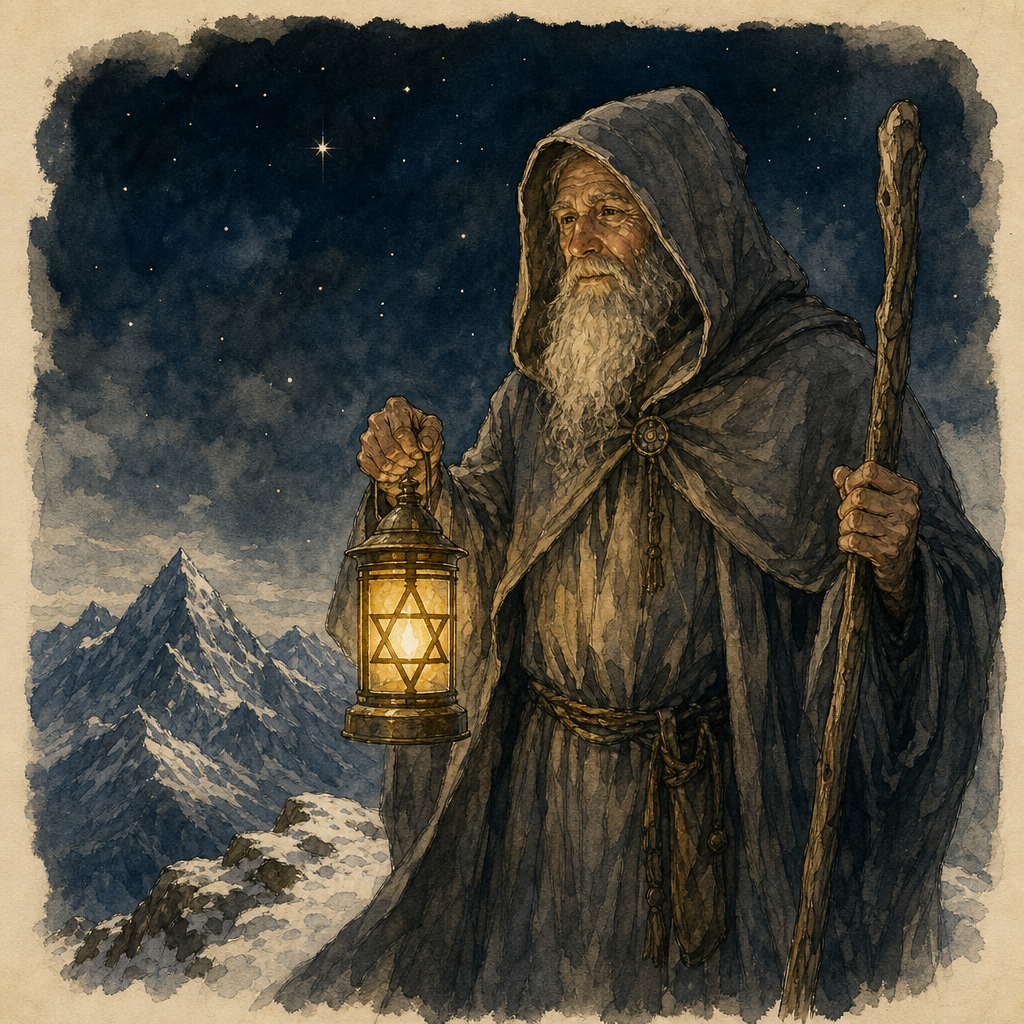
The solitary listener. Has to be alone with the question for a while before the question opens. Comes back with something worth saying.
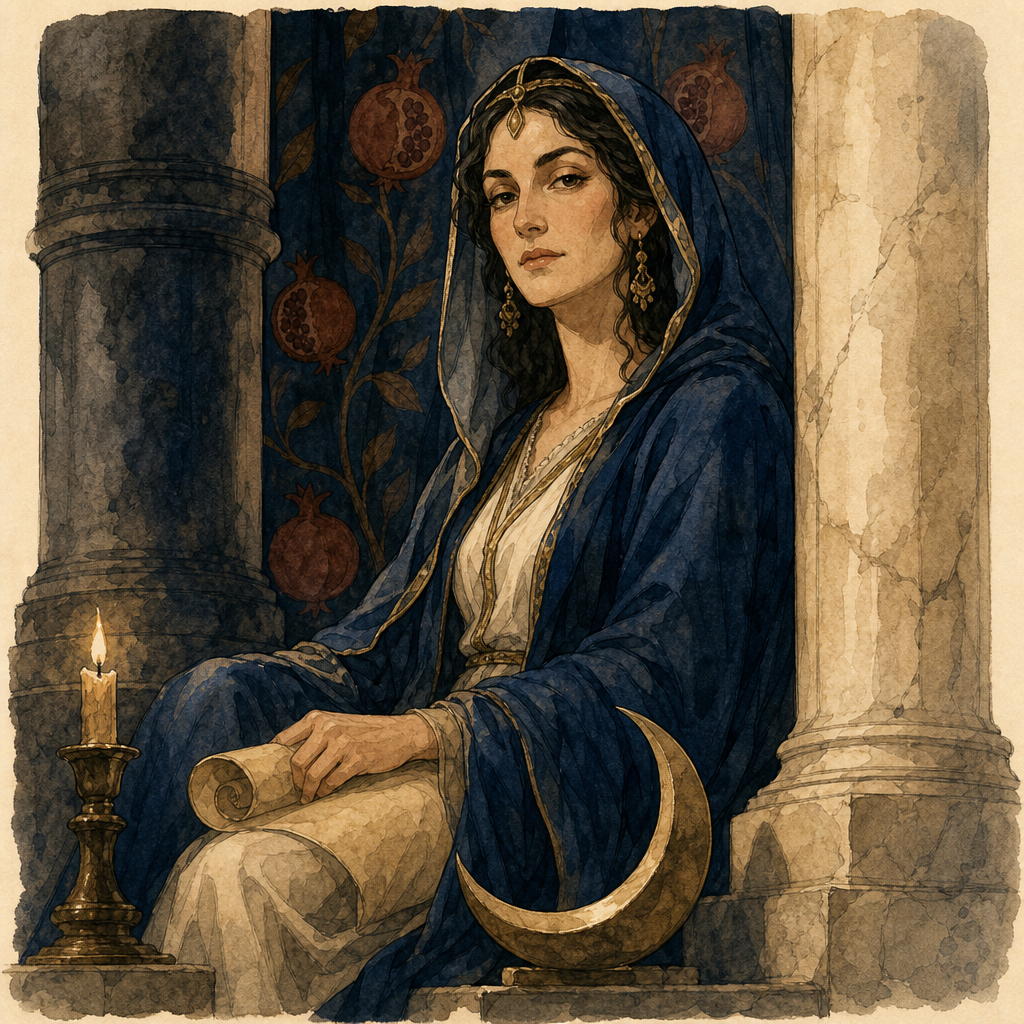
The listener. Sits in front of the veil and waits. The truth is usually quieter than the noise demanding her response.
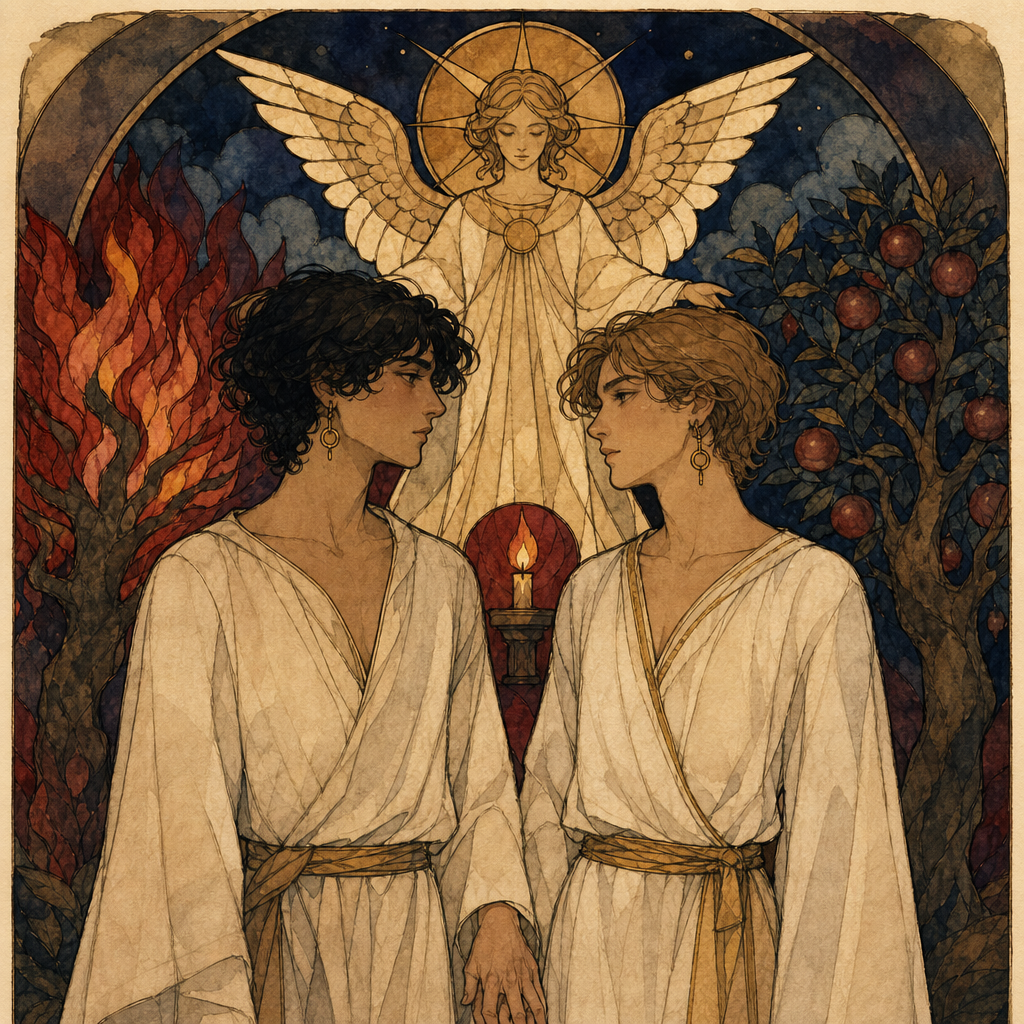
The choosing one. Knows union is a daily decision dressed up as a one-time event. Romantic in the operational sense — chooses again and again.
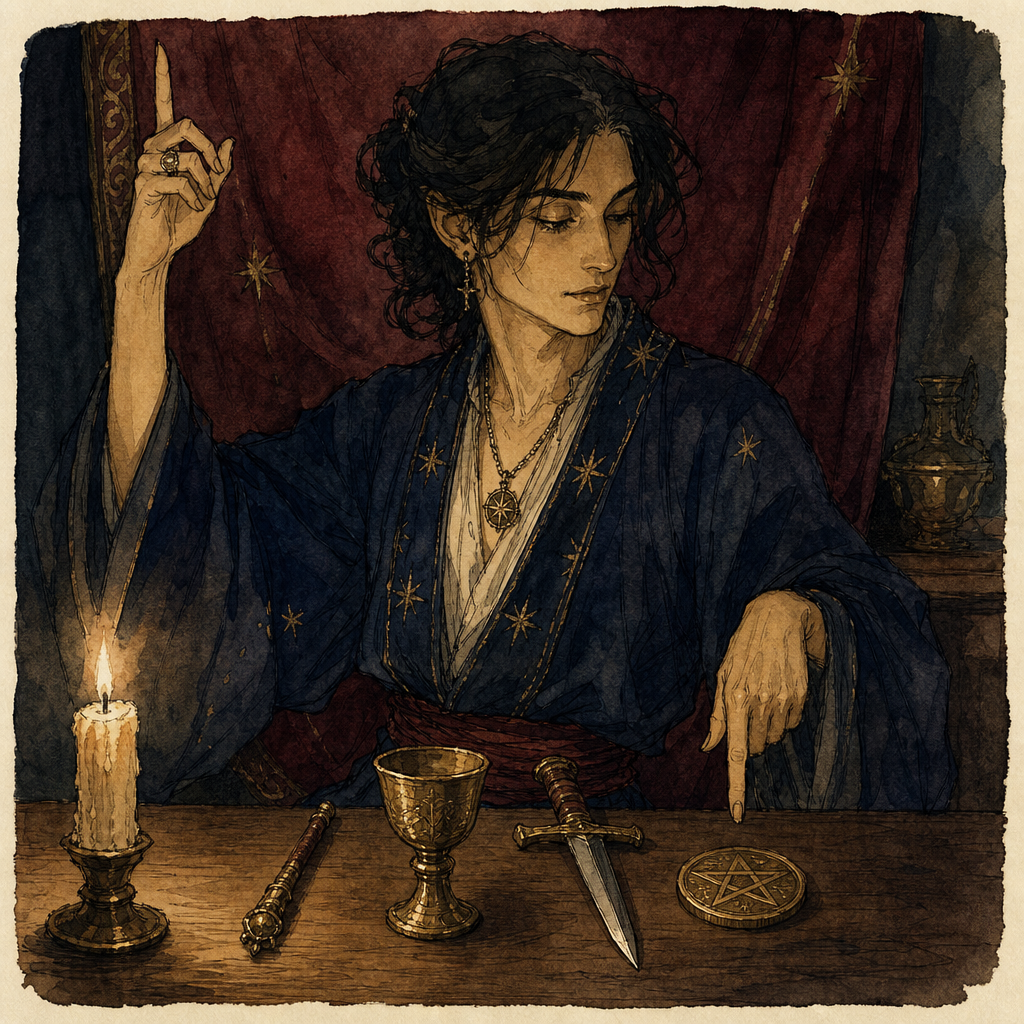
The assembler. Looks at the four elements on the table and starts arranging. Believes in agency to a degree other people find exhausting.
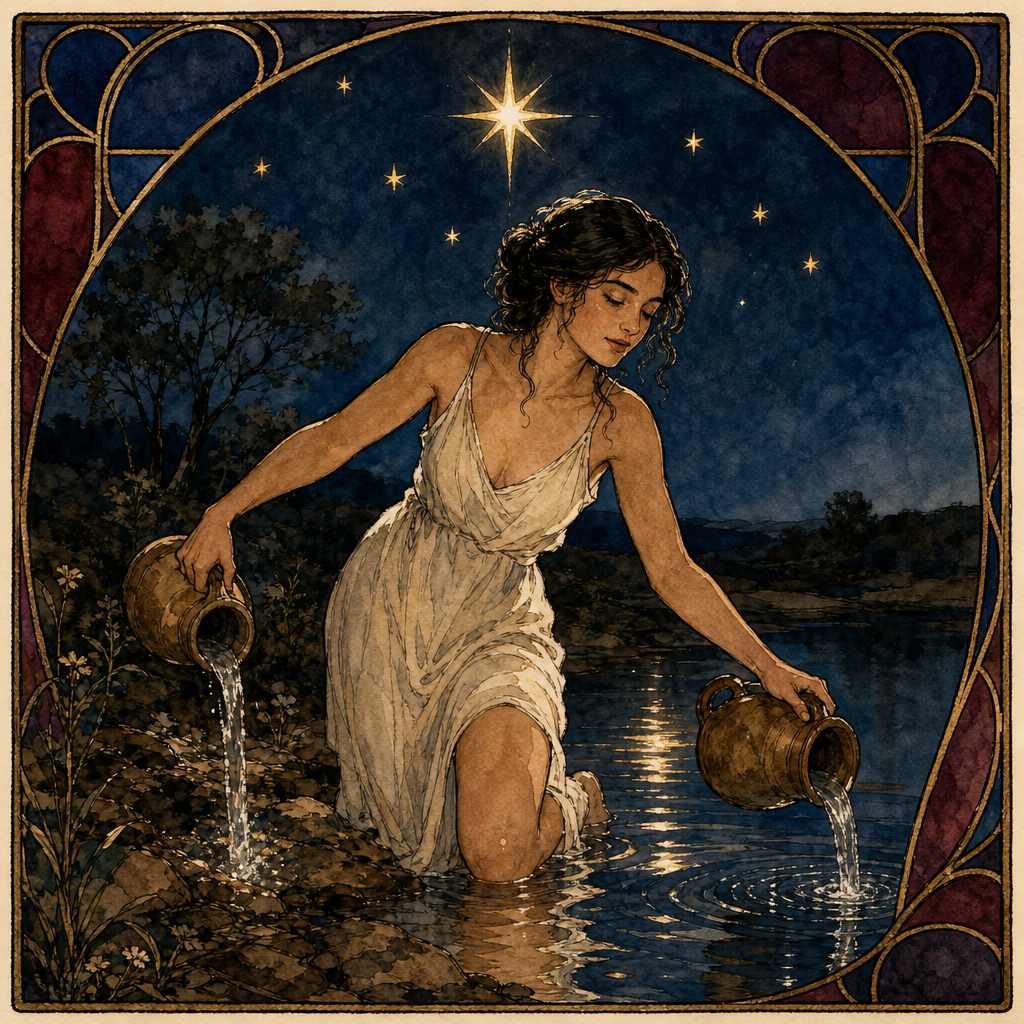
The hoper after the ruin. Shows up at the cracked moment with water and a way forward. The friend who arrives when you can't even ask.
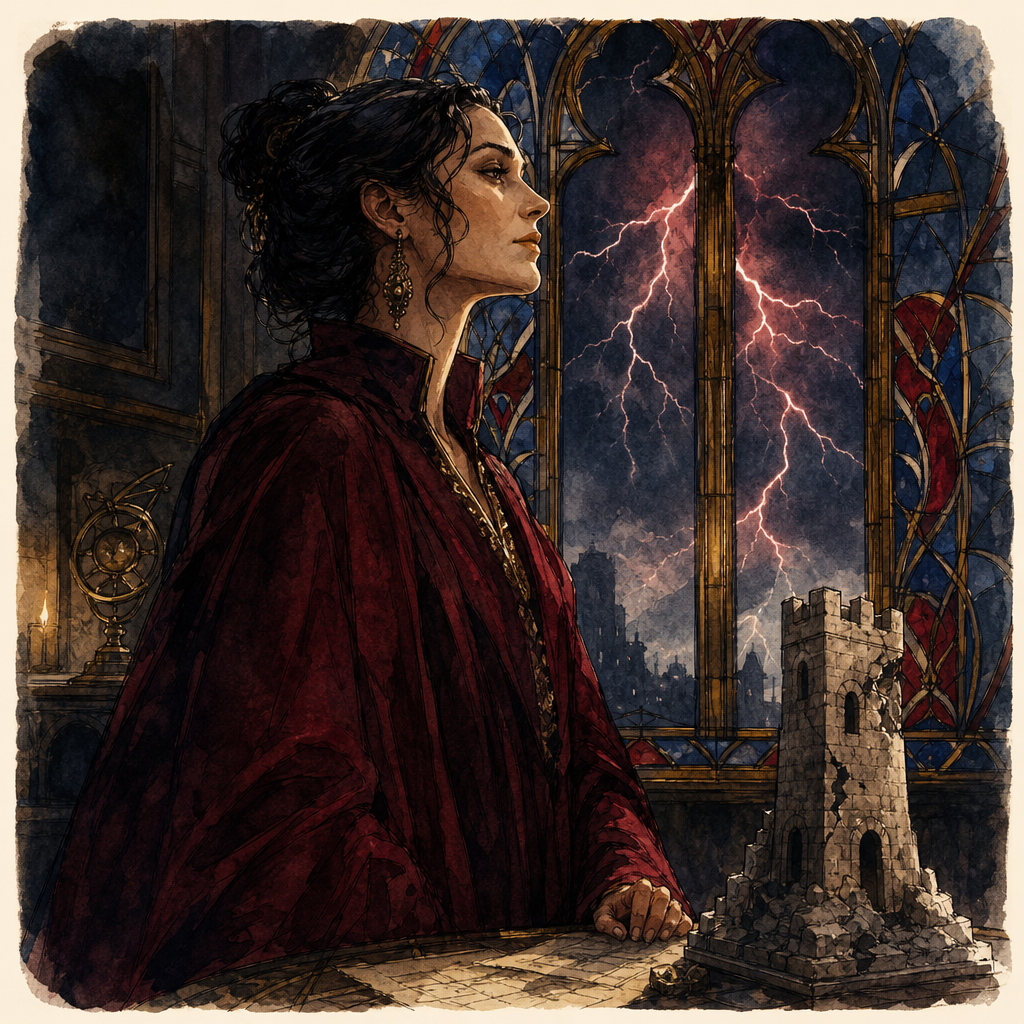
The breaker. Their role is to tell the truth that ends the comfortable lie. Loved or hated; rarely ignored.
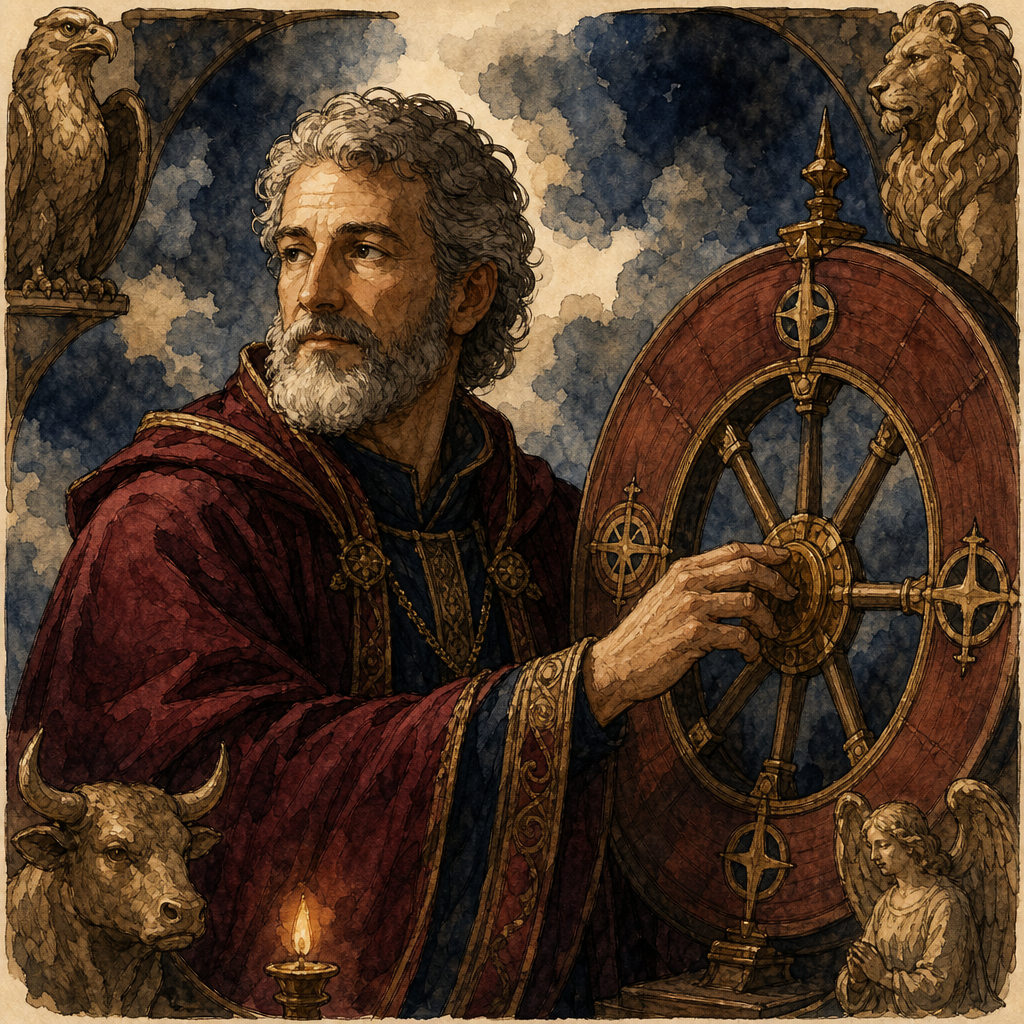
The cyclical one. Knows seasons end and begin. Trusts the pattern even when this turn feels like the worst it's been.
The eight cards in this tarot card quiz are personality archetypes drawn five hundred years before the phrase "personality archetype" existed. The Magician is the part of you that knows the tools are already in your hand. The High Priestess is the part that listens before she speaks. The Empress is the part that grows what she touches. The Lovers is the part that knows union takes choosing. The Hermit is the part that has to be alone to hear. The Wheel is the part that trusts the turning. The Tower is the part that breaks the lie. The Star is the part that hopes after the ruin. Most people cycle through all eight in a lifetime — but one is usually sitting at the top of the deck, and this quiz finds the one that's running the show right now.
What each card actually means
Most tarot quizzes treat the cards like aesthetics: pick your favorite color of candle, get the card whose imagery matches. That's not the real test. The major arcana hold up because the eight archetypes here name eight specific ways of moving through a chapter of a life — and the chapter you're in usually picks the card before you do.
- The Magician — the assembler. Looks at the four elements on the table and starts arranging. Magicians believe in agency to a degree other people find tiring; they will not accept "there's nothing to be done" as the final answer in a room where there are clearly still things on the table.
- The High Priestess — the listener. Waits in front of the veil because the truth is usually quieter than the noise demanding her response. Priestesses are the friend who doesn't text back for a day and then sends the one sentence that reframes the whole problem.
- The Empress — the cultivator. Grows what she touches — gardens, friendships, projects, kids, sourdough starters. Generative as a default state. Empresses know that most worthwhile things take longer than the people around them want to wait, and they do the waiting anyway.
- The Lovers — the choosing one. Knows union is a daily decision dressed up as a one-time event. Romantic in the operational sense rather than the cinematic one — chooses the person, the work, the city again on Tuesday, again on Wednesday, and considers that the whole spell.
- The Hermit — the solitary listener. Has to be alone with the question for a while before the question opens. Hermits aren't avoiding people; they're protecting the kind of attention that only happens in silence, and they come back with something worth saying.
- The Wheel — the cyclical one. Knows seasons end and begin. Trusts the pattern even when this turn feels like the worst it's been. Wheels are the friend who, in the middle of your collapse, gently reminds you that you've been here before and you didn't stay.
- The Tower — the breaker. Their role is to tell the truth that ends the comfortable lie. Loved or hated; rarely ignored. Towers are the person who says the thing at the dinner table everyone else has been carefully not saying for six months.
- The Star — the hoper after ruin. Shows up at the cracked moment with water and a way forward. Stars are the friend who arrives when you can't even ask — who sits down on the floor with you and doesn't try to fix it yet.
How this quiz works
Ten questions. Each one drops you into a small specific scenario — the kind of decision that actually shows up on a Wednesday, not a tarot-reader's candlelit table. Each of the four answers is something one of the eight would actually do. There are no generically correct choices. The trick is being honest about which one you'd really pick when no one's watching.
Each answer is weighted toward one or two of the cards. Pick consistently for one and you'll land cleanly. Mix it up — most people do — and you'll get the card that won the most votes, with a hint at your second-strongest pull. Read the result as a chapter, not a verdict. Save it, screenshot it, retake it in six months when the deck has shuffled.
Is this real Tarot?
No, this is a personality quiz that borrows the Tarot's eight clearest archetypal patterns. It's not divination, not a reading, not a substitute for a deck and a quiet afternoon. The major arcana are public-domain symbolism with several centuries of literary interpretation behind them; we use them the way we use Disney princesses or Hogwarts houses — as shorthand for real patterns of human temperament that exist outside the system that named them. If you want a reading, find a deck. If you want a read, take the quiz.
Why only eight cards instead of all 22?
The full major arcana has 22 cards, and most of them are gorgeous, and most of them are also redundant for a personality quiz. The Emperor and the Magician overlap on agency. Death and the Tower overlap on rupture. Judgement and the Star overlap on what comes after. We picked the eight that map onto the cleanest, most distinct temperamental patterns — the ones where the archetype underneath the imagery is doing real work. Twenty-two would give you a more thorough divination. Eight gives you a sharper personality read.
Can my card change?
Yes, and it probably will. That's the point of reading the result as a chapter rather than a label. Most people are several of these cards across a lifetime — Hermit in the year after a hard breakup, Magician when a project is finally working, Star when a friend needs them and they show up. The card the quiz returns is the one currently sitting at the top of your deck. Take it again in six months. If you get the same one, that's information. If you get a different one, that's also information.
What if I get the Tower and I'm worried?
Don't be. The Tower has a bad reputation because the imagery is dramatic — lightning, falling figures, a crown coming off — but the archetype is just the truth-teller. Tower-types are the people who say the thing the room has been politely avoiding for months. They end situations that needed ending. Getting the Tower doesn't mean your life is about to collapse; it means the part of you currently running the show is the part that refuses the comfortable lie. That's usually a good thing, even when it's uncomfortable.
How long does the quiz take?
About two minutes if you answer instinctively, closer to five if you sit with each scenario. We'd recommend the first one. The questions are designed to surface the answer you'd actually give before your self-image gets a chance to weigh in — overthinking them tends to push the result toward whoever you wish you were rather than whoever you currently are. Pick the option that makes you wince slightly with recognition. That's usually the honest one.
Is the tarot card quiz accurate?
Accurate to what is the real question. It won't tell you your future, your past life, or what the universe wants from you. What it will do is return the archetype that your answers cluster around — and the answers are written to test temperament rather than aesthetics, so the result tends to feel uncomfortably specific. Most people read their result and recognize themselves within the first paragraph. A few people read it and recognize who they were six months ago, which is also useful information.
What's the difference between the major and minor arcana?
A tarot deck has 78 cards split into two groups. The 22 major arcana are the named archetypal figures — the Fool, the Magician, the Lovers, the Tower, and so on — and they represent large life themes and psychological patterns. The 56 minor arcana are organized into four suits (cups, pentacles, wands, swords) and track the smaller daily textures of emotion, work, and circumstance. This quiz only uses the major arcana because the archetypes there are doing the personality work. The minor arcana is for reading situations, not people.
Can I share my result?
Yes — every result has its own page with the card, the pull quote, and the full read. Screenshot it, send it to the friend who'll either agree immediately or argue with you for an hour about why you're actually the Hermit. Both reactions are useful. The pull quotes are written to be the kind of sentence you'd put on a Post-it and forget about for a week, then notice again on a Tuesday morning when it suddenly applies.