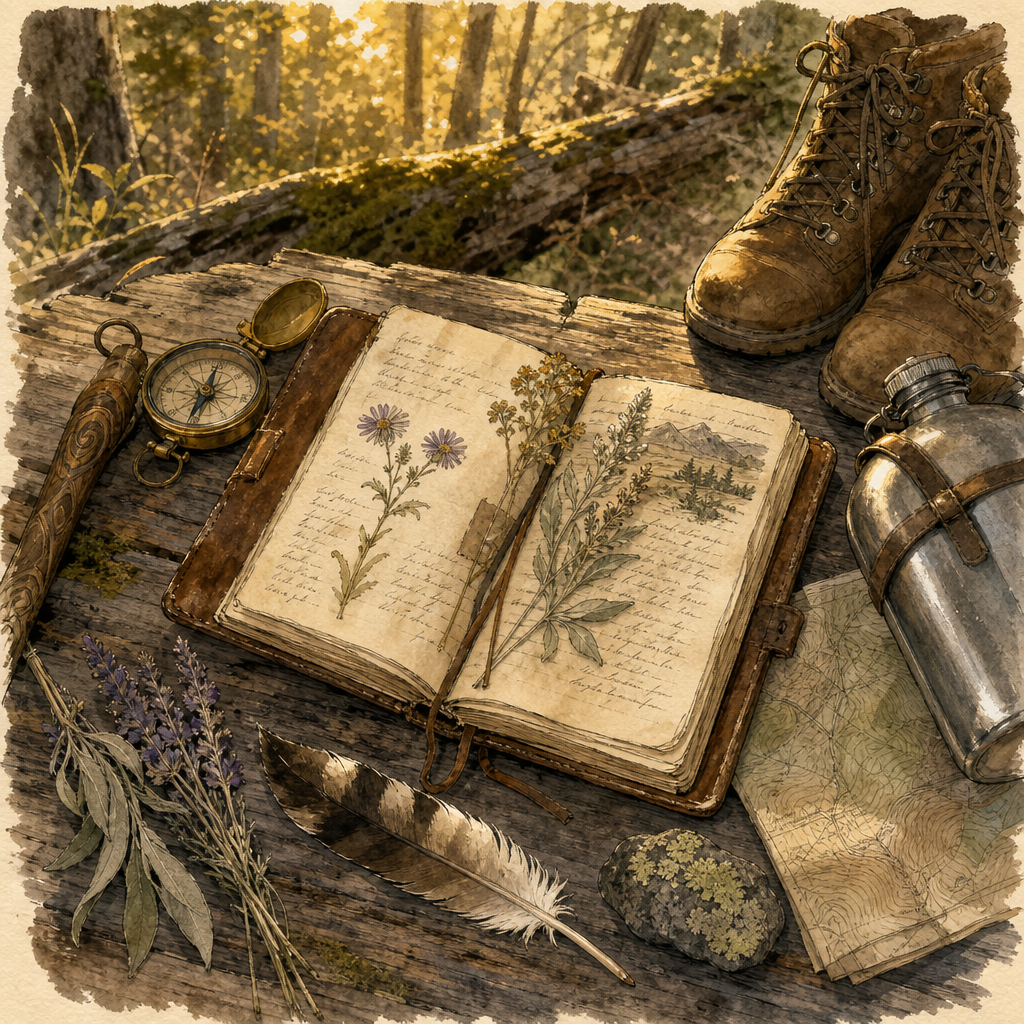
Which wilderness archetype are you?
Eight short questions. No right answers — just the rhythm of how you move through open country, told back to you as one of four wandering selves.
No sign-up needed · Share your archetype with friends
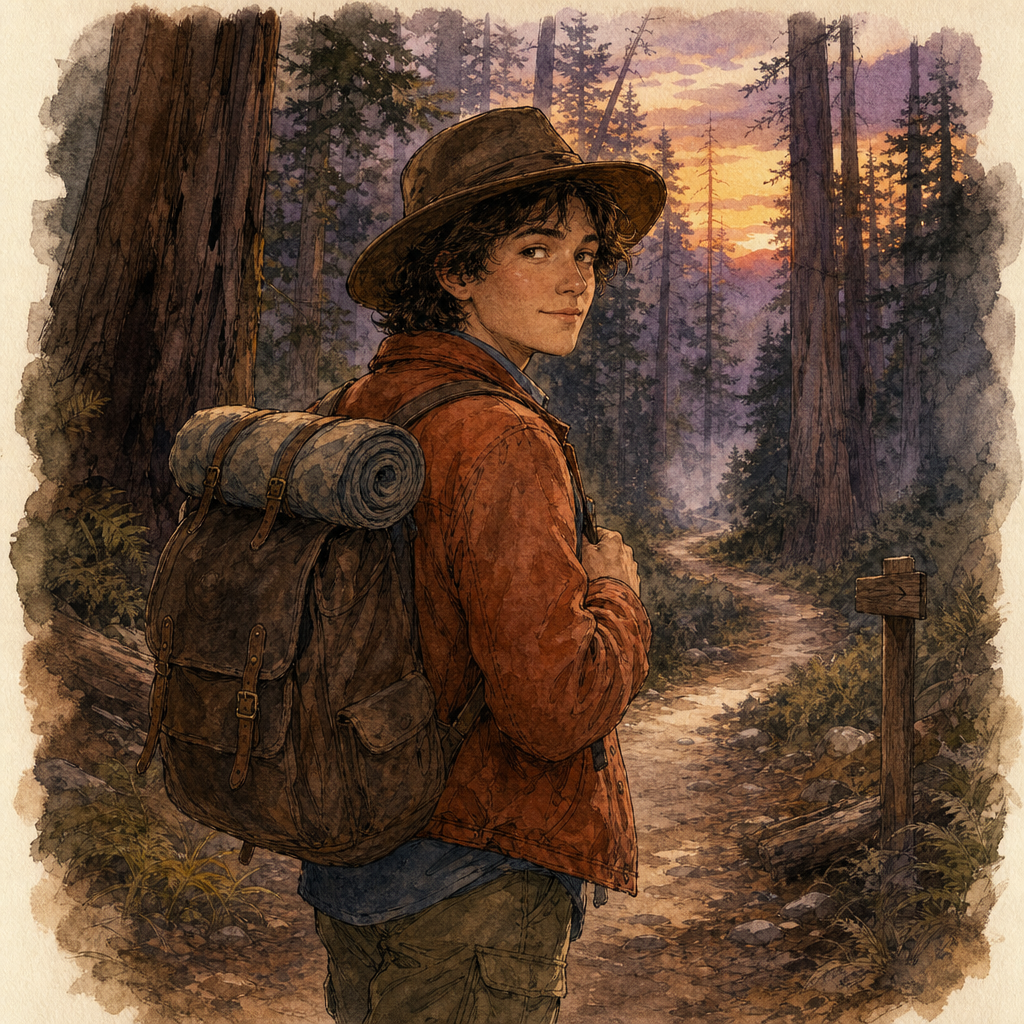
You don't plan the route; you let the route plan you. You've been "just heading out for a walk" for six hours.
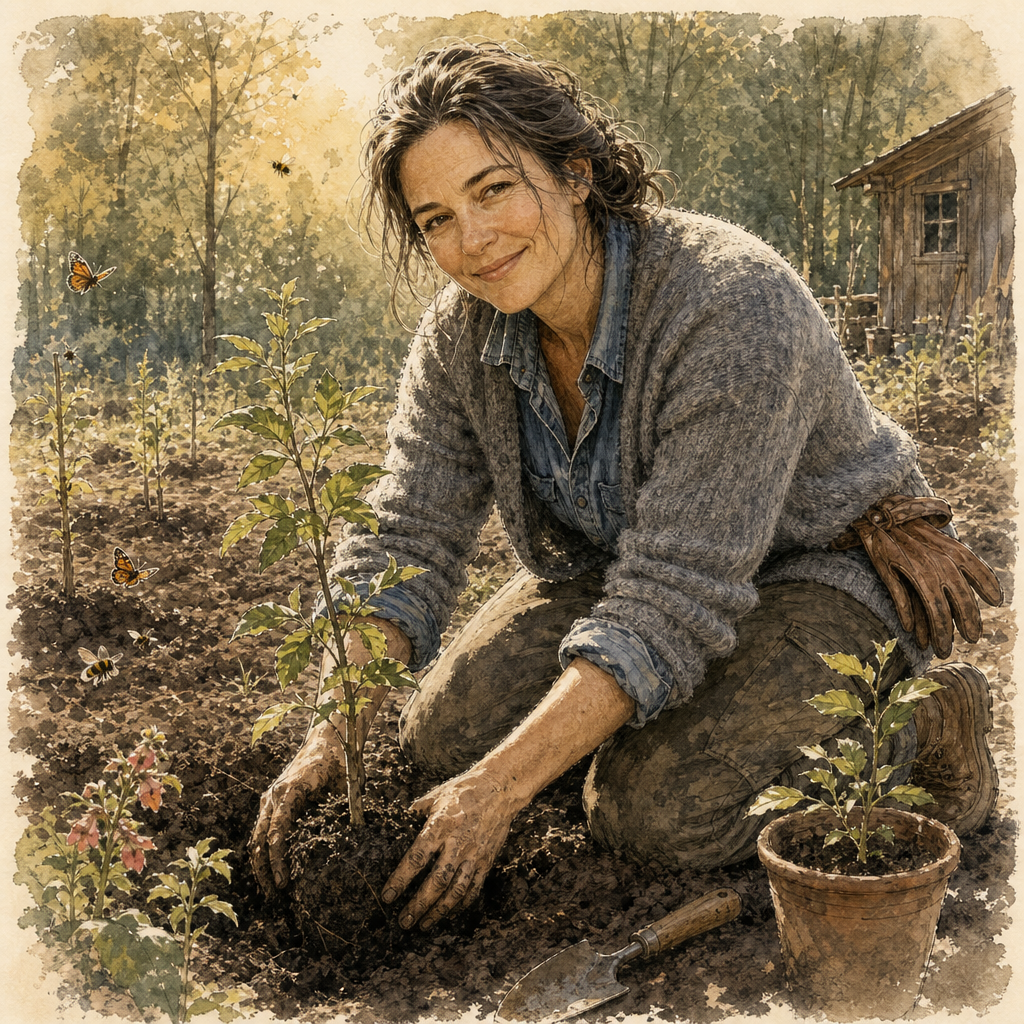
You go to the wilderness to put yourself back together. You return with your hands full of what other people would call nothing — a particular smooth stone, a thought you couldn't finish at home.
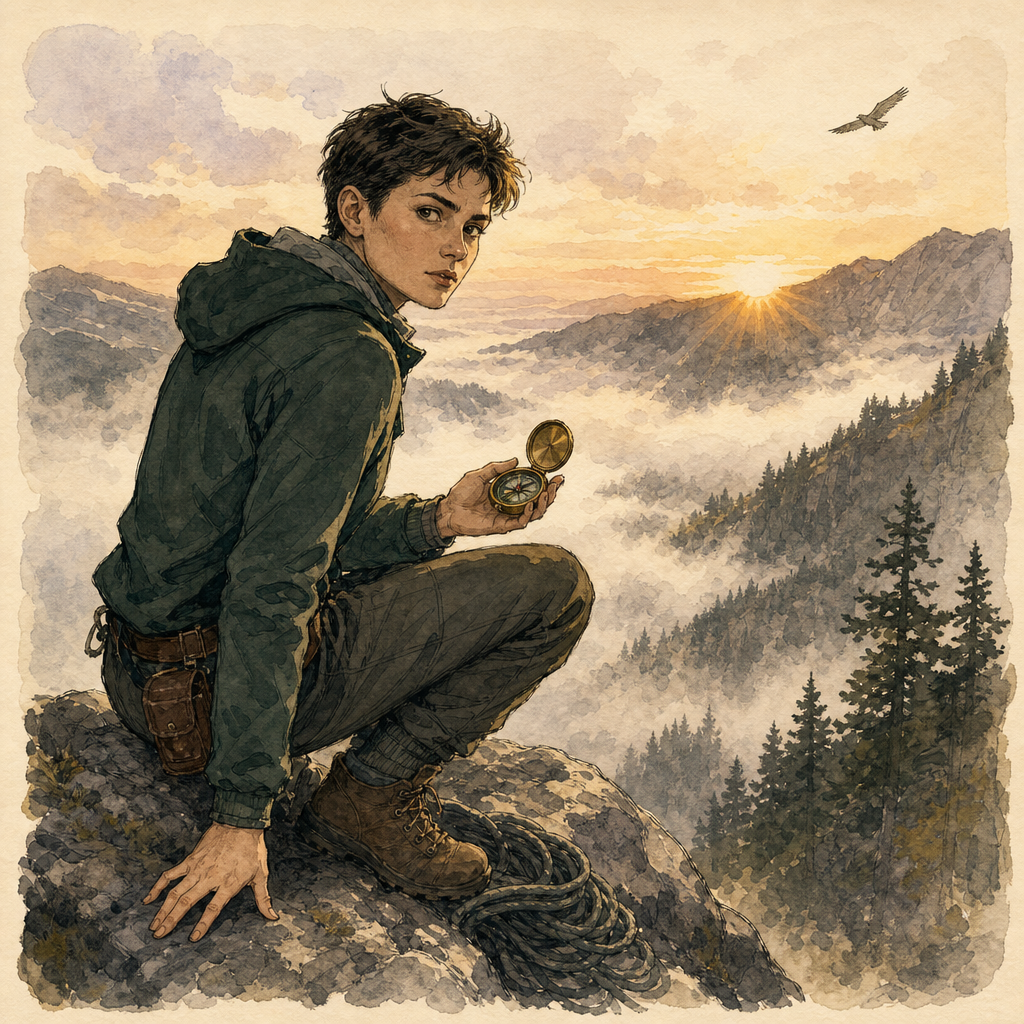
You went there because no one you know has been there. You came back with three new routes drawn on the map and a sunburn you'll lie about.
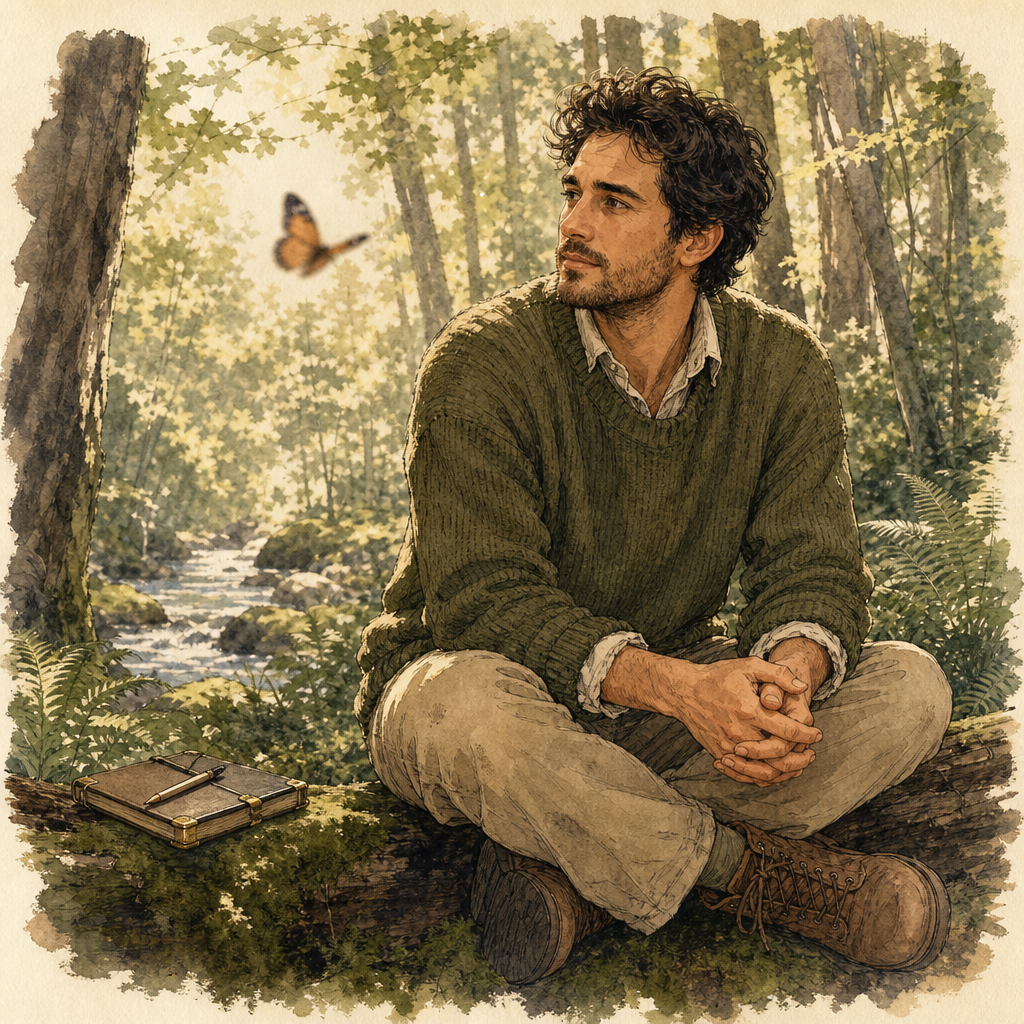
You move through open country the way other people read poems — slowly, and twice. You'll spend twenty minutes watching a beetle climb a stem and call it a full afternoon. Your pack is mostly notebooks. Your map is mostly margins.
The wilderness archetype quiz isn't about which national park matches your aesthetic. It's about the texture of attention you bring to open country. There are four of them, and most people are a blend, but one usually runs the show once the trailhead is behind you.
The Slow Naturalist is the part of you that reads the ground like a poem — slowly, and twice. The Restorer is the part that goes out there to put something back together. The Drifter is the part that walked out for an hour and came back at dusk, mildly surprised. The Scout is the part already drawing a line on the map toward the ridge no one you know has stood on. None is better than another. The quiz finds the one that's actually running the show when the parking lot is out of sight.
What each archetype actually means
We've been writing about this small four-part framework for about two years. It started as a way to describe why two people on the same trail can be having entirely different experiences. The wilderness isn't the point — the relationship to open space is. Here's the read.
- Slow Naturalist — the patient one. Moves through open country the way other people read poems: slowly, and twice. Will spend twenty minutes watching a beetle climb a stem and call it a full afternoon well used. Pack is mostly notebooks. Map is mostly margins. Slow Naturalists aren't lazy hikers; they're doing the work of paying attention at a depth most people skip past on the way to the summit photo.
- Restorer — the tender one. Goes to the wilderness because something at home is fraying and the woods are the only room large enough to spread it out in. Returns with hands full of what other people would call nothing — a particular smooth stone, a thought that wouldn't finish at the kitchen table, the sense that the week ahead is survivable. Restorers don't need to go far. They need to go deeply.
- Drifter — the permeable one. Doesn't plan the route; lets the route plan them. Has been "just heading out for a walk" for six hours. Drifters aren't lost — they're available. They follow the side trail because it's there, talk to the stranger at the overlook, sit down on a log because the log is good. The day shapes itself around what they notice, and they notice a lot.
- Scout — the forward-leaning one. Went there because no one they know has been there. Came back with three new routes drawn on the map and a sunburn they'll lie about. Scouts read terrain the way some people read rooms — looking for the line through it, the next thing past it, the place to put a tent that no one's put a tent yet. Restless in the productive sense. Already half-planning the next trip while driving home from this one.
How this quiz works
Eight questions. Each one drops you into a small, specific scenario — the parking lot at 7am, the unexpected fork in the trail, the moment the weather turns. Each of the four answers is something one of the archetypes would actually do. There are no generically correct choices, and "all of the above" isn't on the menu because honest people lean.
Each answer is weighted toward one or two of the four. Pick consistently and you'll land cleanly. Mix it up — most people do — and you'll get the one that won the most votes, with a hint at your second-strongest pull. The whole thing takes about two minutes. Save the result, screenshot it if you want, and retake it next season — the answer sometimes shifts when your life does.
Is the wilderness archetype quiz accurate?
It's accurate to how you answer it, which is the only accuracy a short quiz can promise. The four archetypes are a framework we've been refining for two years against the way real people actually talk about being outside — what they pack, what they remember, what they go for. Answer honestly about how you actually move through open country, not how you'd like to, and the result tends to land. Answer aspirationally and you'll get the archetype you're auditioning for, which is its own useful information.
How long does the quiz take?
About two minutes. Eight questions, four options each, no trick screens or email walls in the middle. The questions are short on purpose — long scenarios reward overthinking, and overthinking corrupts the read. The point is to catch your first instinct before the part of you that wants to seem a certain way gets to the answer first.
Can my wilderness archetype change?
Yes, and it often does. A Scout in their twenties frequently becomes a Restorer in their forties. A lifelong Drifter has a Slow Naturalist year after a hard winter. The archetypes aren't fixed personality types — they're descriptions of how you're relating to open space right now. That's why the quiz is worth retaking every season or after anything that's reorganized your life. The result is a snapshot, not a verdict.
What if I get the archetype I didn't want?
Sit with it for a week before arguing. Most people who get a result that surprises them at first recognize themselves in it by the third reread. The Restorer who wanted Scout often turns out to be a Restorer who's tired of feeling like they should want to be a Scout. The archetype isn't a ranking — Slow Naturalists aren't more enlightened, Scouts aren't more impressive. They're just four different real relationships to the same large quiet country.
Why only four archetypes?
Because four is the number that holds. We started with seven, collapsed to five, sat at four for a year and stopped finding people who didn't fit. More archetypes would let the framework describe smaller distinctions; fewer would flatten real differences. Four is the resolution at which the categories stay honest. Most people are a primary archetype with a clear secondary, which is why the result tells you both.
What's the difference between a wilderness archetype and a hiking style?
Hiking style is what you do — mileage, pace, gear, terrain. Wilderness archetype is why you go and what you notice once you're there. Two people with identical hiking styles can be entirely different archetypes: same boots, same trail, same elevation gain, completely different inner trips. Style is the outside of the activity. Archetype is the inside. The quiz is interested in the inside — the texture of attention, not the stats on the watch.
Do I have to actually go to the wilderness for this to apply?
No. The archetypes describe how you relate to open, unstructured space — which scales down to city parks, long walks at dusk, the hour you spend sitting by a river on a road trip. People who haven't been backpacking in a decade still have a clear archetype; it shows up in how they move through whatever open space they have. The wilderness is the cleanest test case because it strips away distraction, but the pattern is the pattern wherever you find quiet.
Is this based on any established personality system?
No. It isn't MBTI, it isn't a wellness framework, it isn't borrowed from indigenous traditions we don't belong to. It's a small editorial framework we developed by writing about how people describe their time outside and noticing four patterns that kept showing up. It's meant as a useful read, not a clinical instrument. The value is in the recognition — the moment you read your result and think, yes, that's the one that's been running the show.