
What is your spirit animal?
Ten questions. One animal. We'll know.
No sign-up needed · Share your archetype with friends
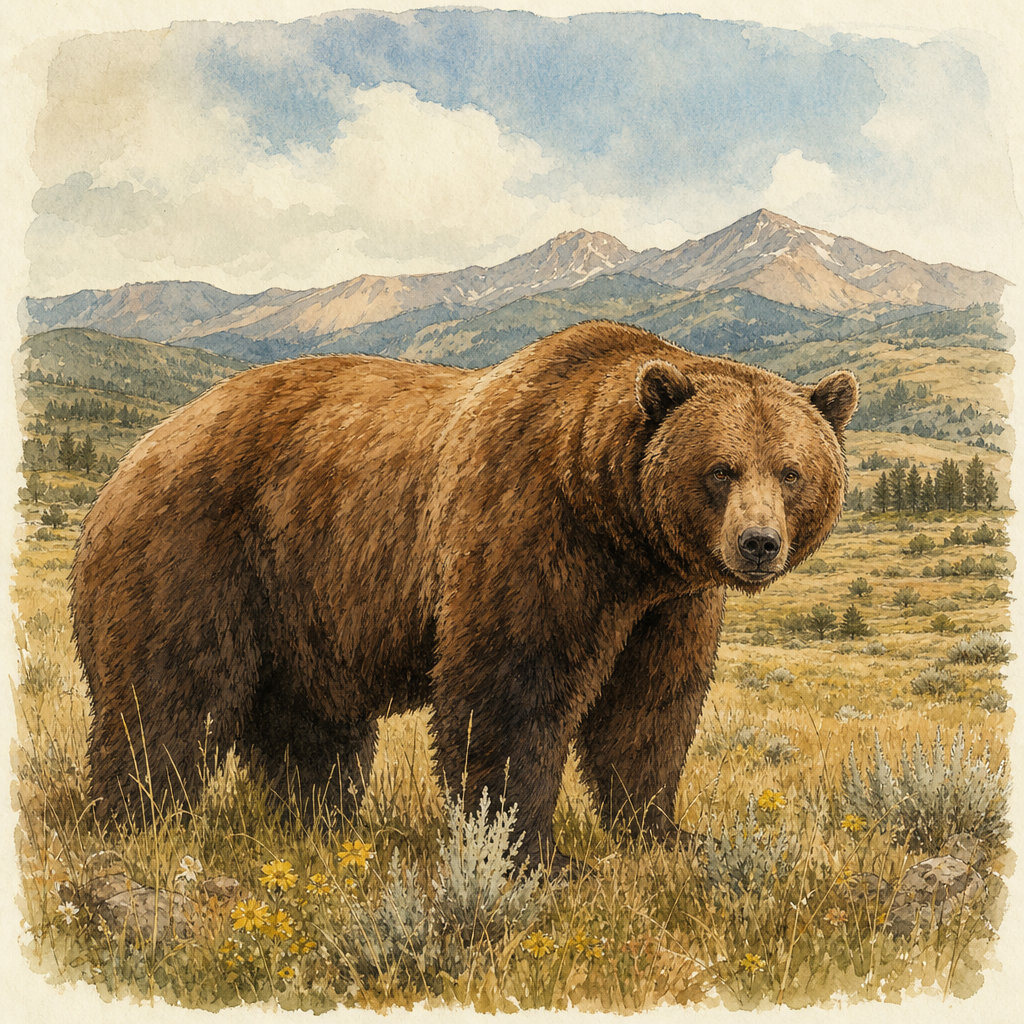
The Steady. Slow to anger. When it comes, it's earned.
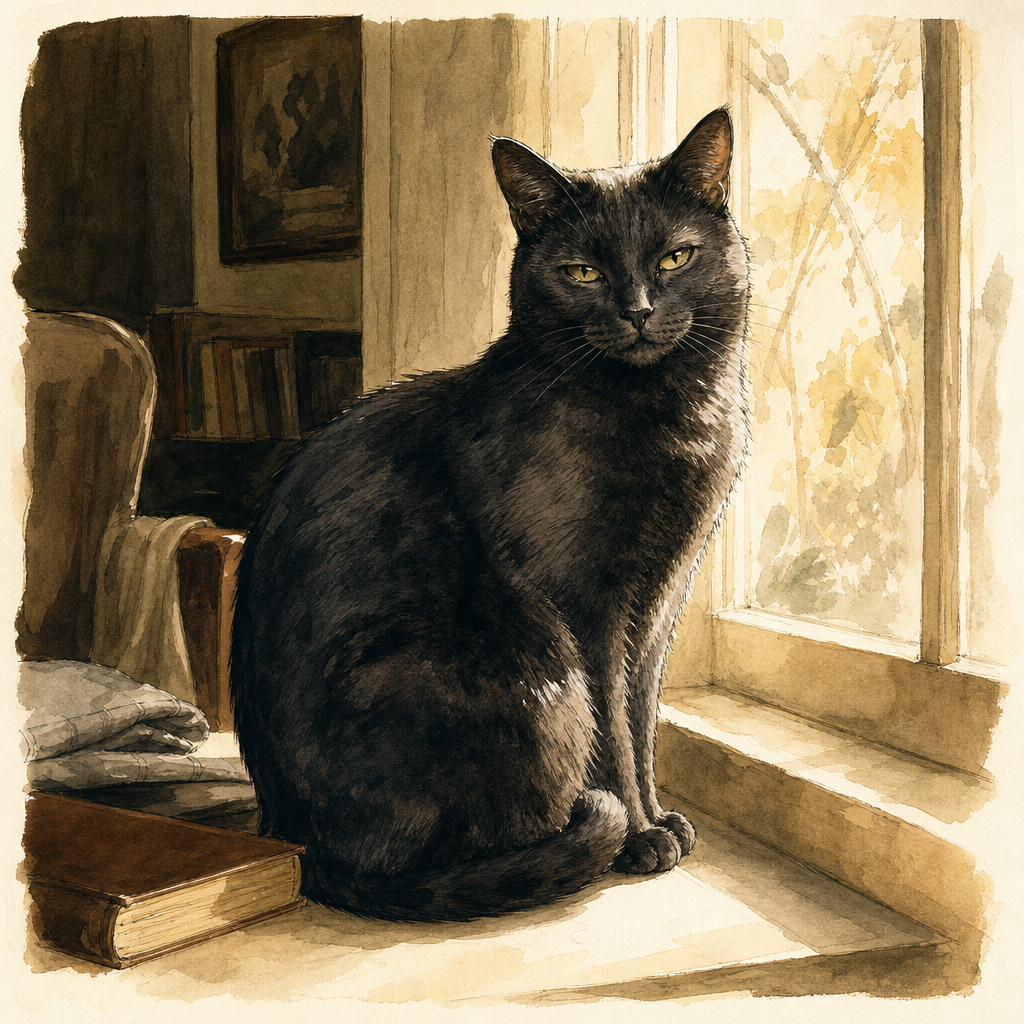
The Sovereign. Affection on their own terms.
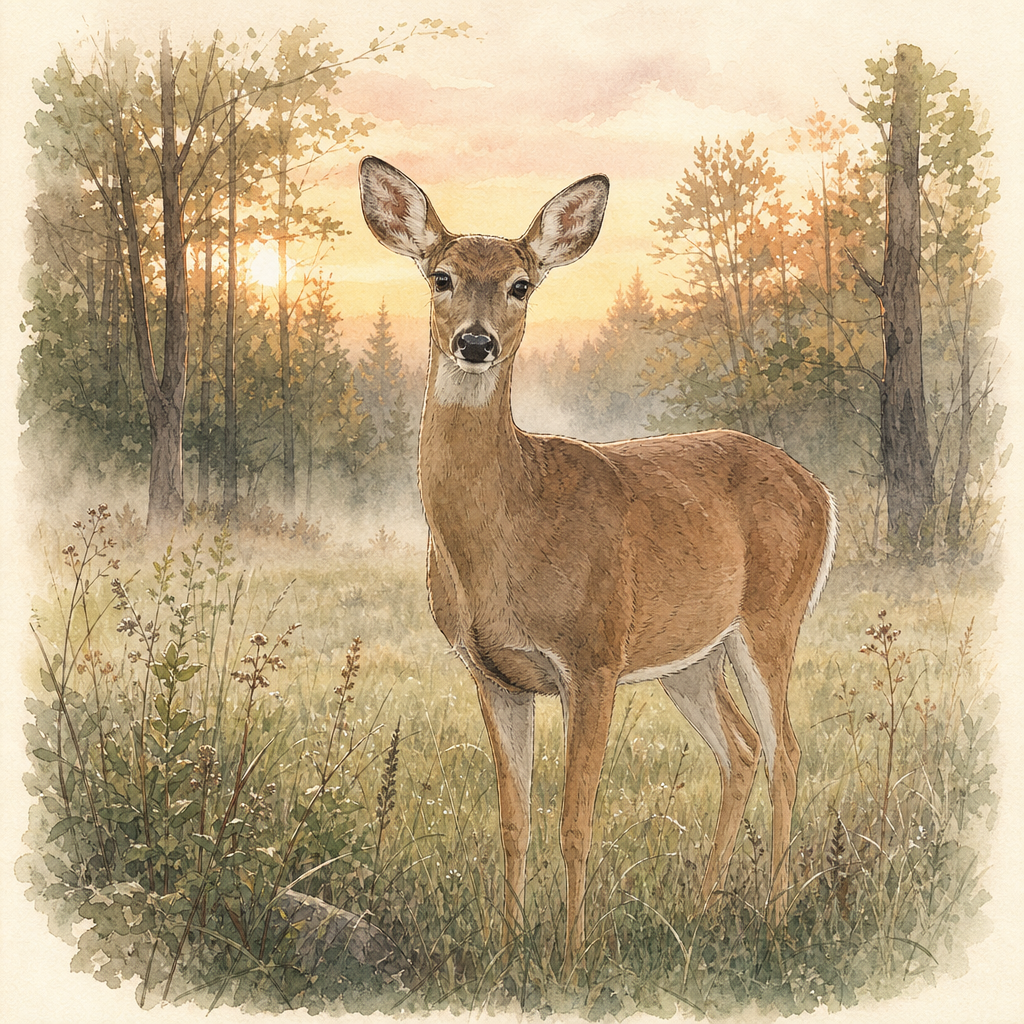
The Attuned. Present in a way that quiets the room.
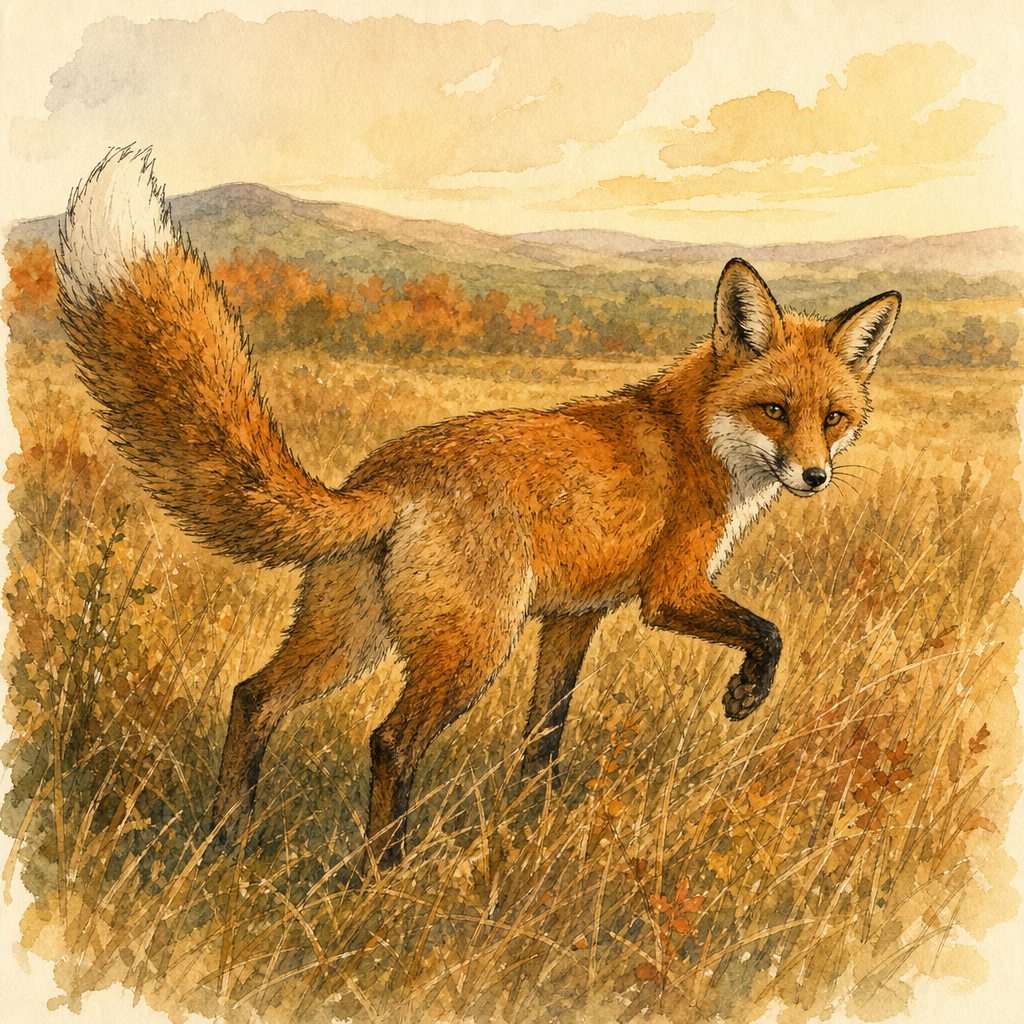
The Adapter. Three moves ahead, never breaking a sweat.
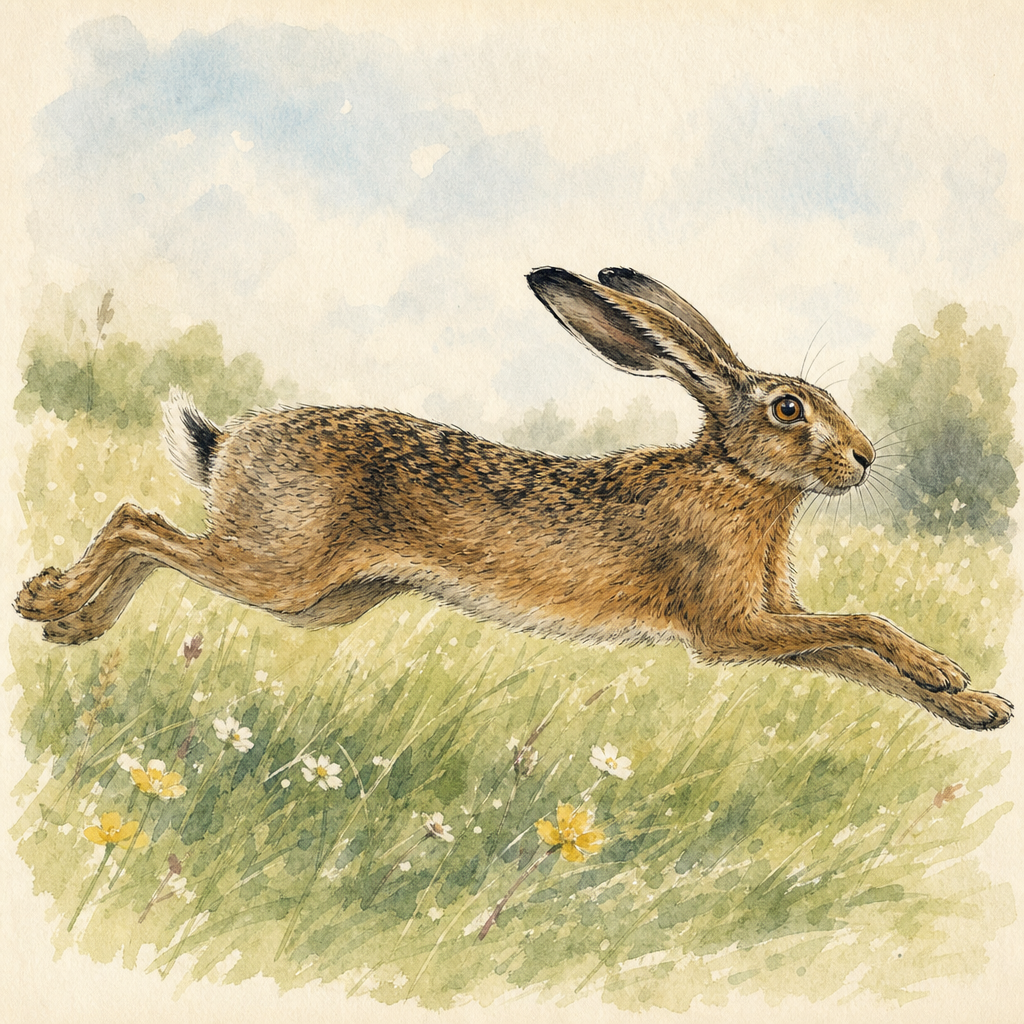
The Quick. Moves through. Doesn't dwell. Already gone.
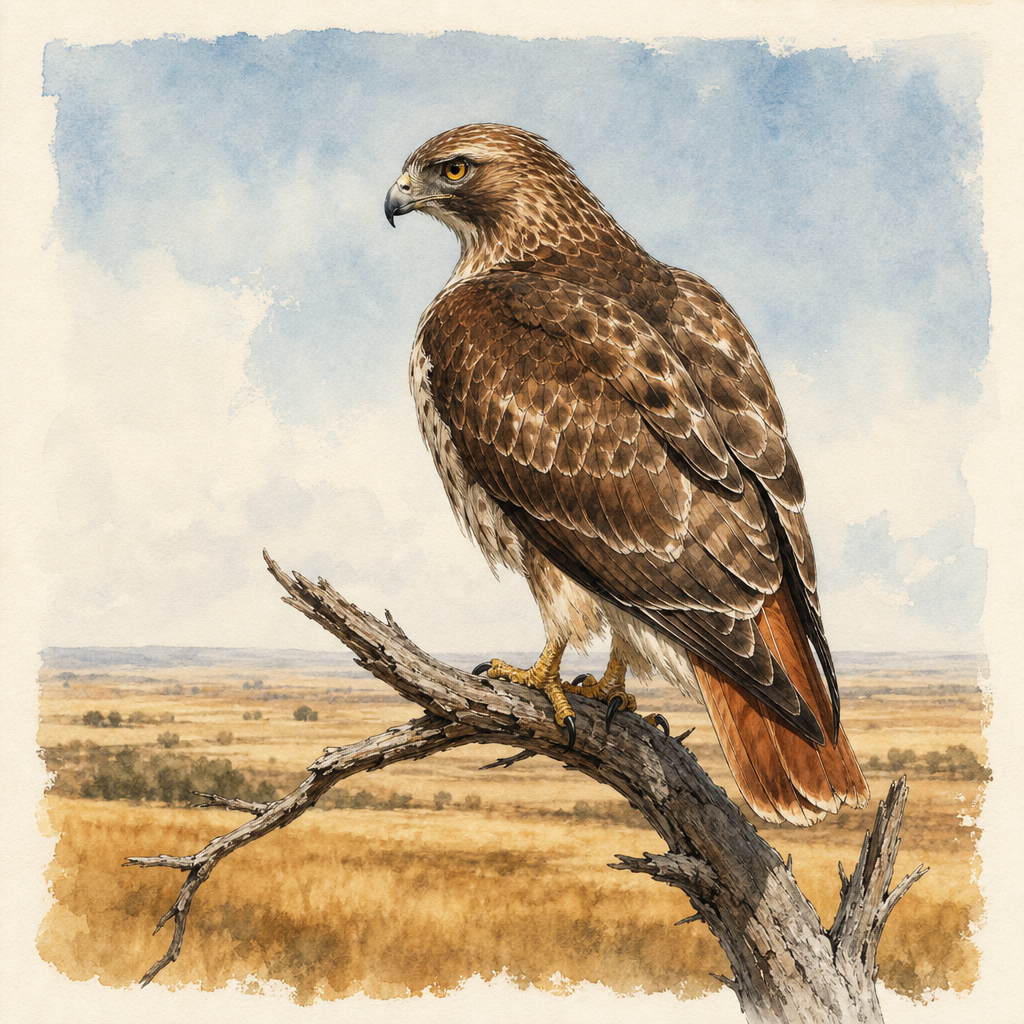
The Aimed. Sees the whole field from above. Picks a target. Goes.
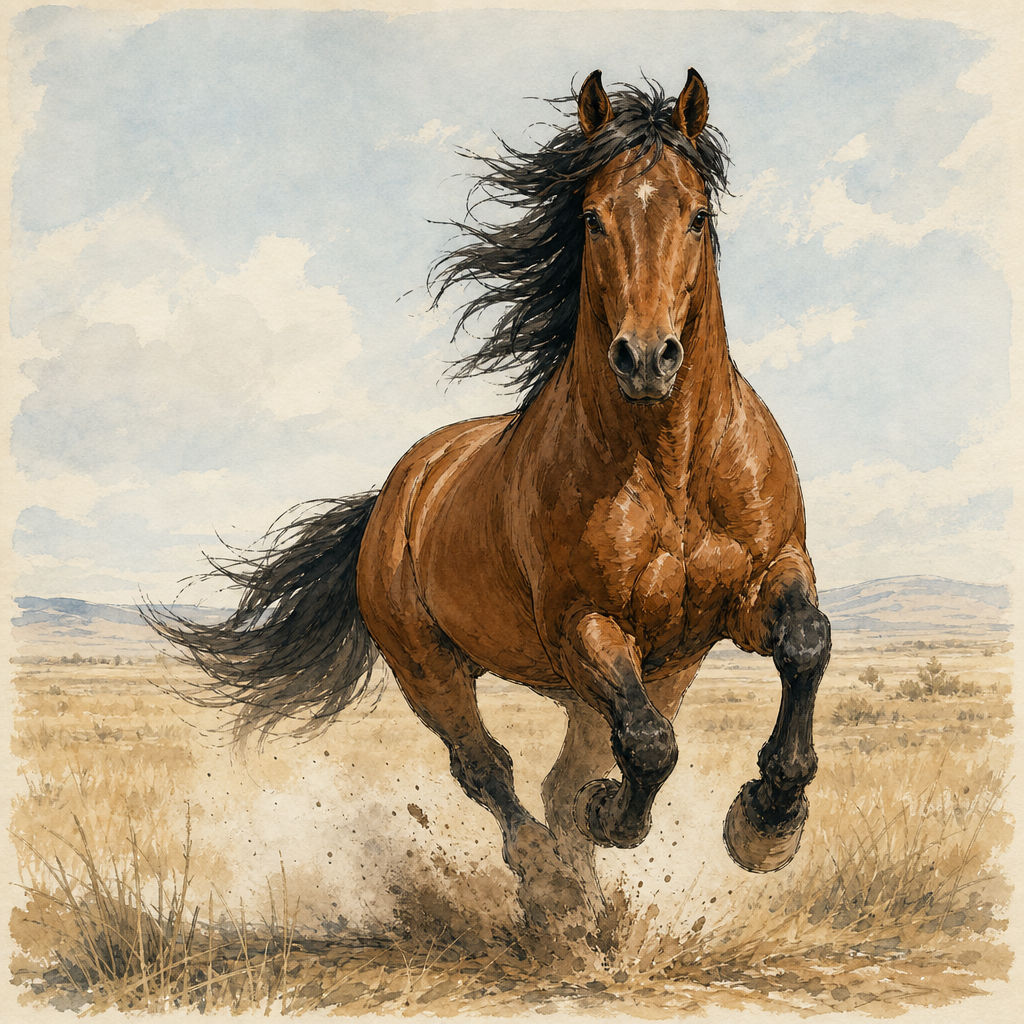
The Free. Can't be contained. Runs toward, not away.
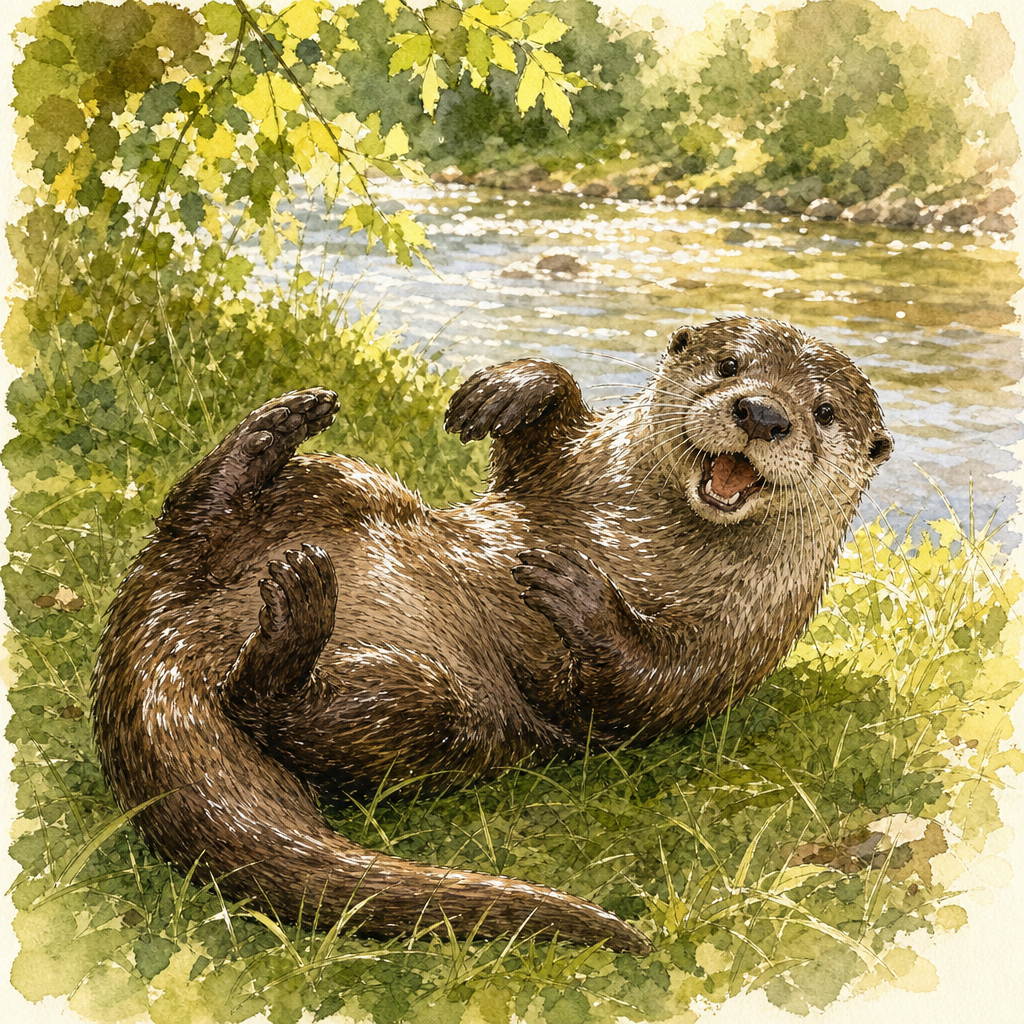
The Lifter. Refuses to take the serious things too seriously.
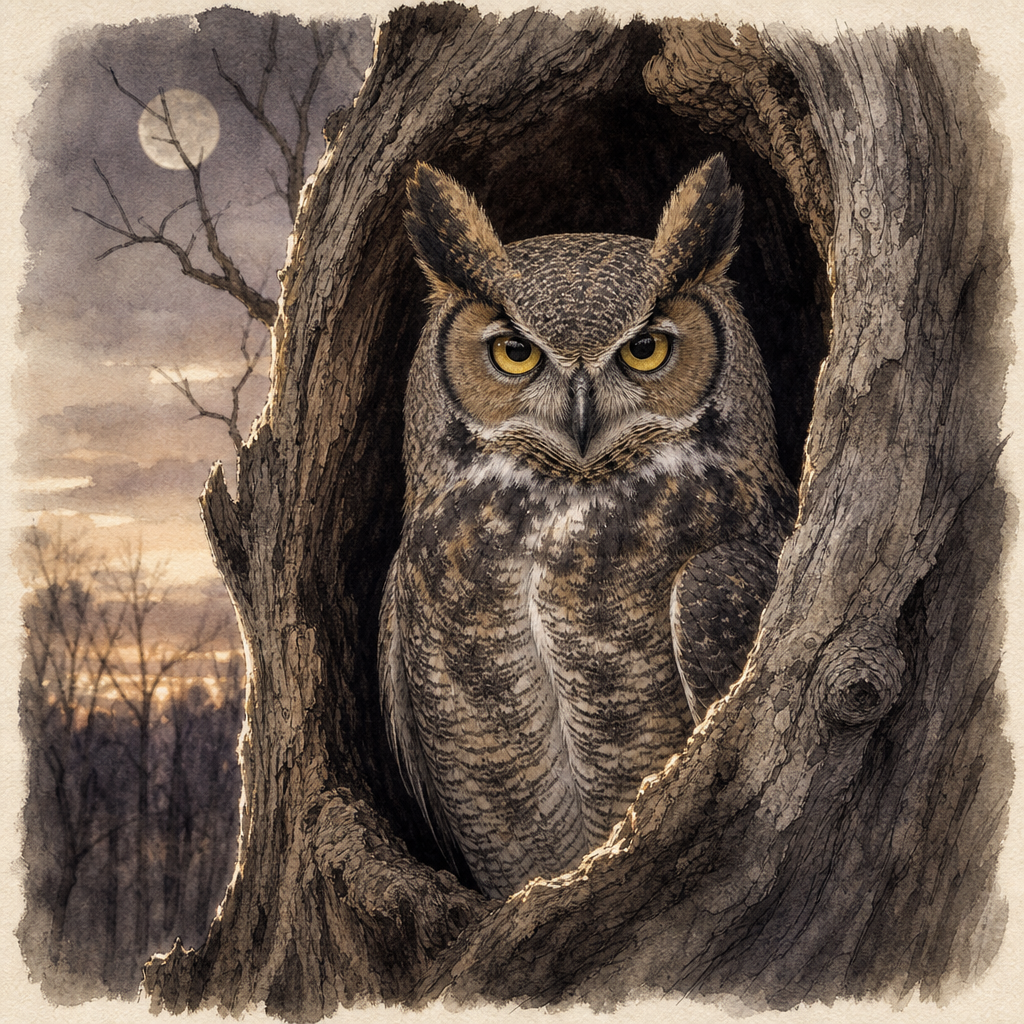
The Watcher. Sees what everyone else walked past.
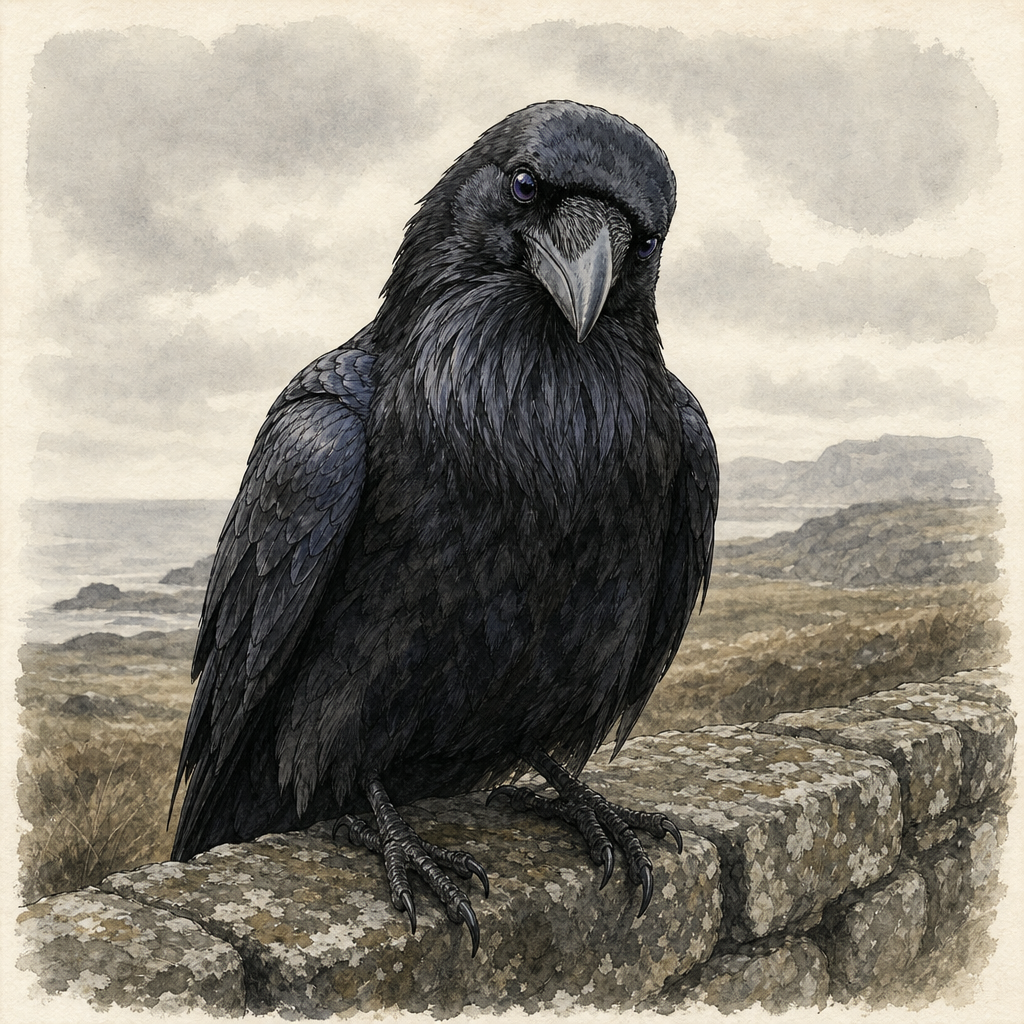
The Outsider. Comfortable in the in-between.

The Vast. Slow, deep, and remembers everything.
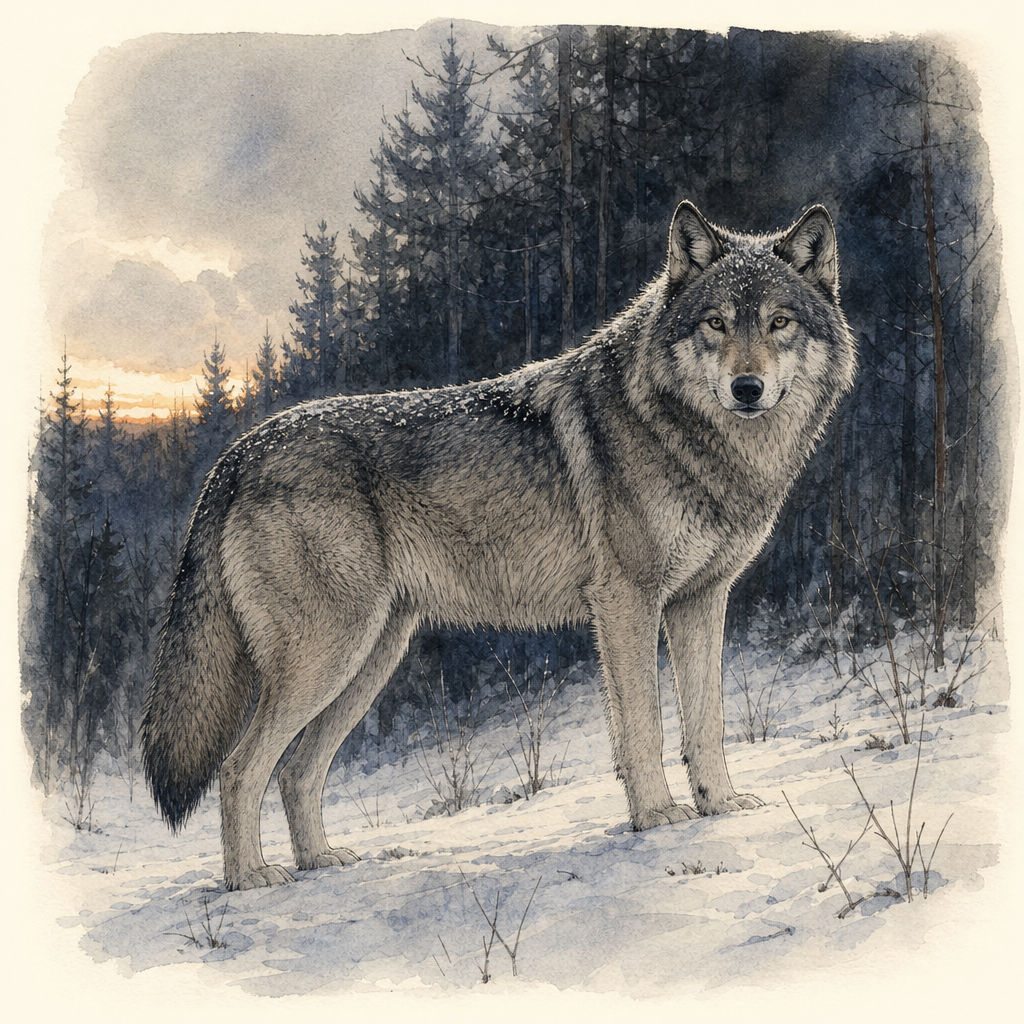
The Loyal. Pack runs deep. So does the silence.
The phrase "spirit animal" got hijacked. Half the internet uses it to mean "thing I aspire to" — a celebrity in a bathrobe, a cat in a basket, a 1998 reality TV contestant. That's not what this is. The original sense is closer to: this animal is what you're actually like on a Tuesday. Not the version of you you'd post about. The default one.
There's a useful read of yourself buried in which of the twelve you turn out to be. Wolves are loyal in a way that confuses other people, because from outside the loyalty looks like exclusion. Bears show up two days after you needed them, with the right thing, having thought about it. Ravens are the people you actually want at the dinner party — they're paying attention. Otters are the only ones who can save a depressing brunch. Whales are doing more emotional bookkeeping than anyone realizes. Cats are not your enemies; they're simply finished with this conversation. Owls notice the thing you wish someone would notice. Foxes survived their twenties by being slightly smarter than they let on, and now have to learn to show their work or get passed over. Hawks are who you call when something needs to be decided by Thursday. Deer pick up on the change in someone's voice before the words have caught up. Horses physically cannot sit through a meeting that should have been an email. Hares are halfway to the next thing before you've finished asking.
Most personality quizzes either flatter or insult: your worst trait is being too honest, your secret strength is leadership. This one is built to do neither. The Wolf result tells you why your friends keep getting hurt that you go quiet for three weeks without explaining. The Bear result tells you why your reliability is making people lazy. The Hare result tells you why you've been carrying an unread book for nine months. The Fox result tells you that you have, in fact, been letting people underestimate you on purpose, and that it's starting to cost you. The point isn't to make you feel seen — it's to make you feel slightly caught.
Ten questions, no setup. Each one is a small ordinary scenario: getting a text you didn't want to get, walking into a room where you don't know anyone, deciding whether to send the email tonight or in the morning. The kind of small moment that catches the truth, instead of pretending you'd know what to do alone on an island with three objects. About two minutes.
The most useful part of doing this honestly is that the answer will sometimes be the animal you didn't want. A lot of people who land on Cat were hoping for Wolf. A lot of people who land on Hare were hoping for Owl. The disappointment is, weirdly, how you know it worked. The animals you wish you were are usually the ones you're performing. The one you actually get is the one you've been quietly being for years.
Take it again in a few months. It changes — when the job changes, when someone leaves, when you finally move. The version of you that runs the show in November isn't the same one that ran it in May. We think that's the whole point.
Is the spirit animal quiz accurate?
It's accurate to how you answered, which is the only kind of accurate any quiz can claim. The ten questions are designed to surface temperament — they ask about ordinary situations and what you'd actually do, not how you'd describe yourself. If you answer the way you wish you behaved, you'll get the animal you wish you were. If you answer the way you actually behaved last Tuesday, you'll get the one you actually are. Most people who retake it within a week land on the same animal, which is the closest test of accuracy any personality quiz can pass.
What if I get an animal I don't relate to?
That's data. Most of the time the disconnect is between the animal you wished the report would name and the one your answers actually pointed at — Cat people were often hoping for Wolf, Hare people were often hoping for Owl. Read the description for the one you got, all the way through, before deciding the quiz is wrong. The mismatch you feel is sometimes the quiz seeing something about you that you've spent a long time not naming. If it really doesn't land after reading, retake it being more honest about one or two specific scenarios — sometimes a single coin-flip answer shifts the result.
Can my spirit animal change over time?
Yes, and it usually does. The quiz reads which pattern is currently in charge, not which one is etched in forever. People shift after the things that shift people — a move, a breakup, a new job, the first year of a kid, the death of a parent. A Hare who becomes a parent often reads as Bear for a year or two. A Wolf who leaves a tight friend group sometimes surfaces as Raven. Retake it every six months if you're curious. The runner-up usually stays steadier than the primary, which is itself worth knowing.
How is this different from the other spirit animal quizzes online?
The other ones mostly ask which landscape you'd live in, which color you'd paint your room, which food you'd eat on your last day on Earth. They map your aesthetic preferences onto an animal and call it a personality reading. This one asks about specific behavioral scenarios — what you'd actually do when something hard happens — and uses your answers to read temperament directly. The animal at the end is shorthand for a pattern, not a vibe-match. You'll know the difference inside thirty seconds of reading the result.
Why are there twelve animals?
Twelve is enough resolution to give a meaningful read without producing the dreaded "you're kind of like everyone" outcome. Four would force everyone into one of four crude boxes. Sixteen is arbitrarily fine-grained (and also tends to mean MBTI, which is a different and less reliable lineage). Twelve fits cleanly into the three-axis scoring system underneath — pack versus solitude, fast versus slow, head-on versus sideways — and leaves room for the more distinctive temperaments like Whale and Raven to be their own thing instead of getting absorbed into a generic neighbor.
How long does the quiz take?
About two minutes. Ten questions, four answer choices each. No setup screen, no "tell us about yourself" preamble, no personality essay at the end. The result is your animal, a pull quote you'll probably end up sending to one person, a short read on the archetype, and your second-strongest pull — which is often the more interesting number. The runner-up tells you which part of you steps in when the primary animal gets tired.
Is using the phrase "spirit animal" appropriative?
It can be when used carelessly. The phrase comes from Indigenous spiritual traditions where animal kin have specific, sacred meaning — and where the meaning is granted by elders or ceremony, not picked from a quiz on the internet. We don't use it in that sense. The animals here are temperamental shorthand — twelve patterns of being a person, using animals as the metaphor because animals are the most efficient metaphor anyone has ever invented for personality. Read it as "what's your animal type" rather than as a claim about anyone's spiritual kin.
Which animal is the most common result?
Wolf, by a wide margin. Roughly one in four people end up there, which is more than you'd expect from twelve evenly-distributed options. The runner-up varies — usually Owl or Bear depending on the week. The rarest tend to be Whale and Raven, which only show up for visitors who answer the questions with specific honesty about how much of themselves they keep private. Hare and Otter sit comfortably in the middle of the distribution. None of this means any one result is better — just that some patterns are more common than others.